

[with Ajay Agrawal and Avi Goldfarb, originally published in HBR Online under the title "Is your company's data actually valuable in the AI era?" , 17 Jan 2018. Their book, Prediction Machines, is coming out in April 2018]. AI is coming. That is what we heard throughout 2017 and will likely continue to hear throughout this year. …
What’s a Bitcoin worth?
Many people say nothing but that is the same of all money like assets to some degree. Bob Shiller says we can't actually tell as it is worth what people think it is worth and that could be anything. I wonder if we can do better. To be sure, "better" is not great. But I …
Ted Chiang gets a ton of economics wrong
Amongst economists I know (myself included), Ted Chiang is universally beloved as a science fiction writer. So it was with great excitement that I saw yesterday he had written a Buzzfeed piece on artificial intelligence and the power of corporations. Alas, it turned out to be an incoherent mess that went nowhere. Chiang's thesis is …
Ending the Bitcoin energy drain
Bitcoin uses energy. Lots of energy. It does this because as an incentive to 'run the network,' the Bitcoin protocol sets up a proof of work mechanism whereby to certify a block on the blockchain you need to win a computational contest. The great news is that this is a contest that everyone can have …
The Bitcoin Bubble Post Mortem
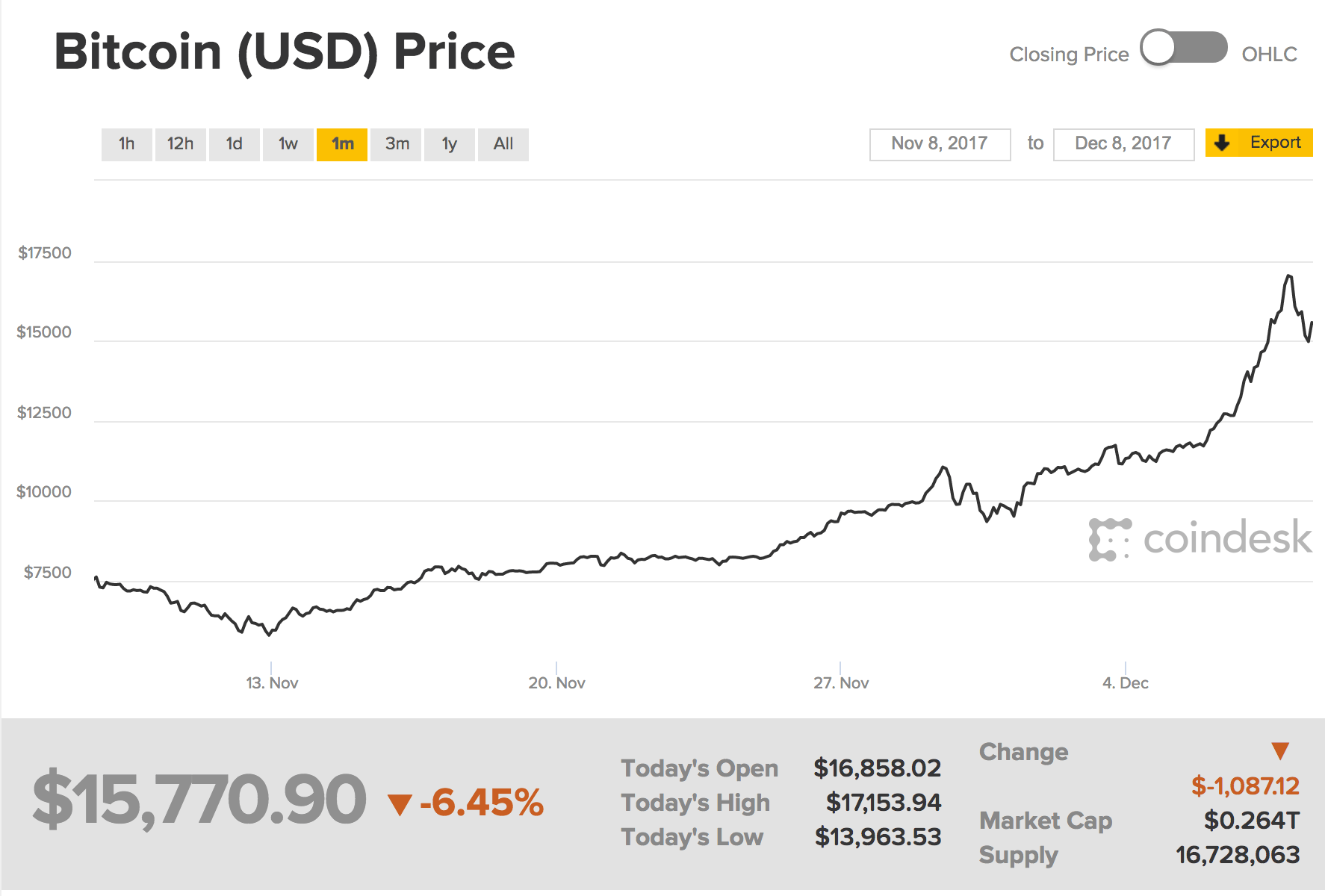
When asked about the current Bitcoin price increase, pretty much all economists agreed it is a bubble. This is not to say that we wouldn't have minded being given some bitcoin back in 2011 and have forgotten about it until now. But the massive volatility along with the exponential price movements over the past day, …
Two key assumptions in the DOJ challenge to AT&T and Time Warner
AT&T and Time Warner want to merge. They don't really operate in the same market -- AT&T is a distributor (specifically through wireless and Direct TV) while Time Warner has content -- notably HBO, CNN and its Warner movie releases. The DOJ have a straightforward vertical merger concern: that the new entity will use its …
Continue reading "Two key assumptions in the DOJ challenge to AT&T and Time Warner"
The Pokemon GO Death Count

Have you ever wondered what economists do fun in Indiana? You might think that they could benefit from the global supply of digital goods like everyone else without having to worry about local effects. But you would be wrong. They are always thinking local. For Purdue University economists, Mara Faccio and John McConnell, they observed …
Can a superintelligence self-regulate and not destroy us?

One of the most compelling reasons why a superintelligent (i.e., way smarter than human), artificial intelligence (AI) may end up destroying us is the so-called paperclip apocalypse. Posited by Nick Bostrom, this involves some random engineer creating an AI with the goal of making paperclips. That AI then becomes superintelligent and in the single minded …
Continue reading "Can a superintelligence self-regulate and not destroy us?"
Apple and the AI non-threat
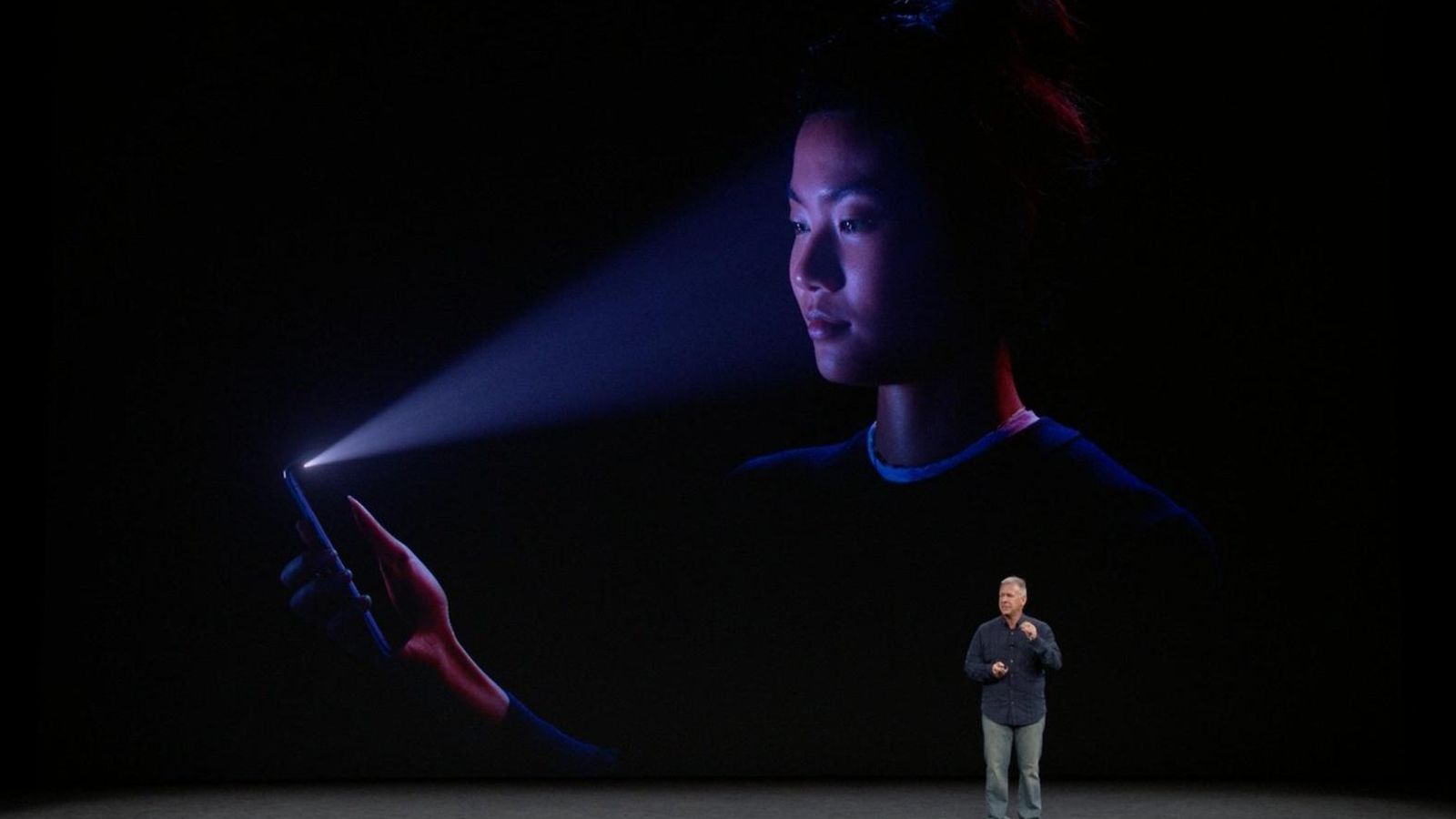
Technology and business forecasting is hard. I get that. That is one reason I try to avoid it except, of course, for fun or to get attention. But the one thing that continues to perplex me is why pundits keep coming back to one specific well: that Apple is doomed. The latest is surrounding the …
Facebook DOES NOT have a monopoly on the news
It is not even close. In this view (#expressyourunpopularopinion), I know that I find no agreement amongst my economist colleagues. Facebook is generally perceived to be a monopolist in something called the 'social network market.' The latest discussion of that comes in the Financial Times from Tim Harford. I rarely find myself in disagreement with …
Continue reading "Facebook DOES NOT have a monopoly on the news"
 Digitopoly