From a firm’s perspective, the emergence of a new technology wave is a new opportunity to generate a financial return. The question is precisely how. That topic remains as salient today, in the era of artificial intelligence, as it was when firms first encountered smartphones, the commercial internet, and personal computers. Before we fully embrace …
Artificial Intelligence and the Jevons Paradox
What can a nineteenth-century economist teach a twenty-first-century Chief Executive Officer (CEO) at one of the largest technology firms? More to the point, why is Microsoft's CEO, Satya Nadella, quoting William Stanley Jevons? Jevons was a dominant figure in economic thought in Britain during the second half of the nineteenth century, but not today. His …
Continue reading "Artificial Intelligence and the Jevons Paradox"
Spillovers, Bottlenecks, and More Invention After Invention
Epiphany plays an outsized role in the reductionist two-step model of invention. Step one is when an idea pops into an inventor’s head, and step two is when the invention spreads in an economy over time. This model is misleading in numerous ways that would take a book to enumerate. Today’s column focuses on step …
Continue reading "Spillovers, Bottlenecks, and More Invention After Invention"
Uncomfortable economic waters
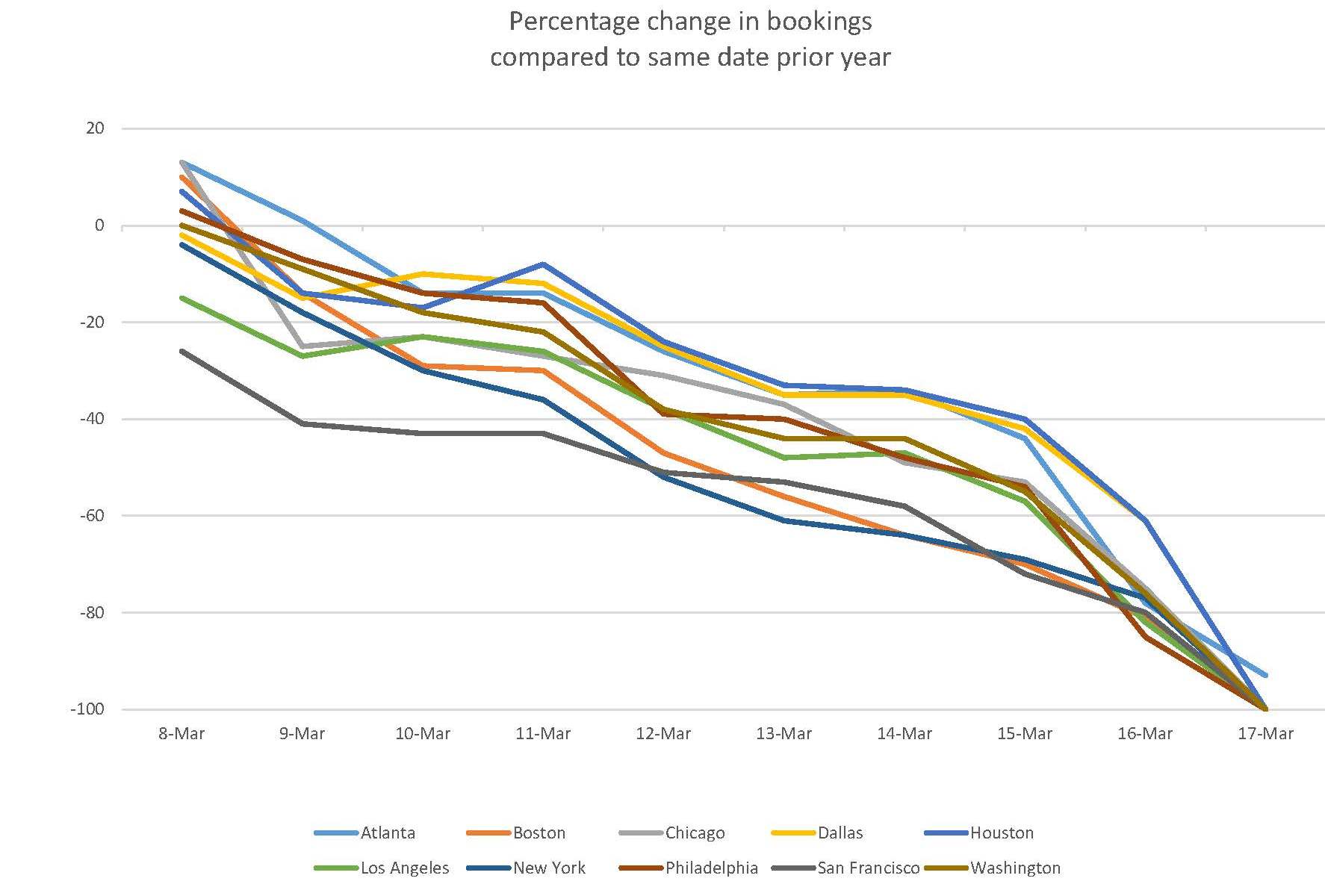
For IEEE Micro, July-August. The corona virus turned crowded places into transmission hot spots. Coffee shops, popular restaurants, and arenas closed in the United States in March, along with dentist offices, schools, and other places where super-spreading took place. Shelter-in-place mandates went into effect starting on March 17 in many states, and more than forty …
Six Infrastructure Trends
Today internet infrastructure encompasses root servers, broadband lines, routers, content delivery net-works, cloud storage and cellular towers. Broadly construed, these physical assets perform two related and essential services for the modern digital economy. Infrastructure acts as an intermediate input for the production of many services by firms and it acts as an intermediate input into …
Free Software without a Free Lunch or Free Beer
Economists like to say that there are no free lunches. How does that attitude apply to free software and services? It is no secret that many prominent platforms give away services, and so do many widely used open-source projects. The answer should help us understand our world. While it costs next to nothing to replicate …
Continue reading "Free Software without a Free Lunch or Free Beer"
A Nobel Prize for Breaking Through Hurdles Placed by Economists
This year's Nobel Prize in Economics has been shared by Bill Nordhaus and Paul Romer for "integrating innovation and climate with economic growth." That is one way to thread the needle to link these fine recipients and I applaud the Nobel Committee for finding a way to do it. That said, there is a real …
Continue reading "A Nobel Prize for Breaking Through Hurdles Placed by Economists"